What Does Art Mean to You? Because I Don’t Think There’s One Right Answer.
Maybe art isn’t about creating something beautiful. Maybe it’s about creating something that makes you feel something.
Here’s a little 3 AM thought I’ve been sitting with lately.
What actually makes something art?
Is it a beautiful painting hanging in a museum?
A photograph that captures the perfect moment?
A messy sketch in someone’s notebook?
A poem written during one of the darkest periods of someone’s life?
A digital illustration?
An AI-assisted creation?
Or maybe it’s something as simple as coloring in a coloring book after a mentally exhausting day.
I’ve been creating art for most of my life, and the older I get, the more I realize something.
Art means something different to everyone.
And maybe that’s what makes it so beautiful.
We spend so much time trying to define what art is, what counts as art, what makes someone a real artist, and whether something is good enough to be considered creative.
But what if we’re asking the wrong questions?
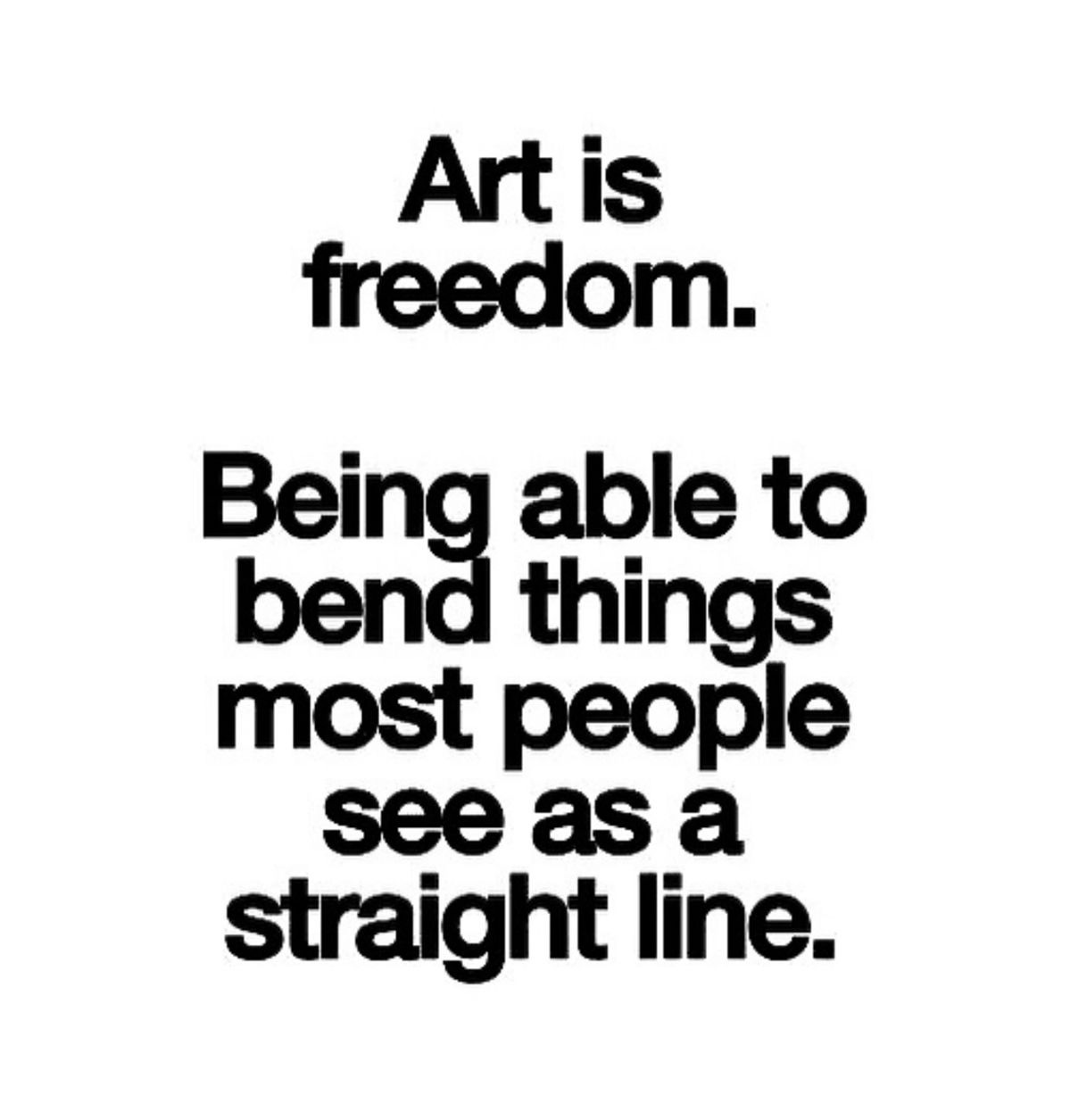
What if instead of asking whether something qualifies as art, we asked:
Does it make you feel something?
Does it help you heal?
Does it give your mind somewhere to go when everything feels overwhelming?
Does it help you express something you can’t put into words?
Does it make you happy?
Because maybe the meaning of art isn’t something we’re supposed to agree on.
Maybe it’s something we’re supposed to discover for ourselves.
Art Doesn’t Have to Be Beautiful to Be Meaningful
I think one of the biggest misconceptions about art is that it has to be visually appealing.
It has to be pretty.
Perfectly balanced.
Technically impressive.
Something someone would want to hang on their wall.
But some of the most meaningful art I’ve ever encountered wasn’t necessarily beautiful in the traditional sense.
Sometimes it was dark.
Messy.
Emotional.
Uncomfortable.
Or difficult to understand.
And that’s what made it powerful.
Because art doesn’t always exist to make us feel comfortable.
Sometimes it exists to make us think.
To question something.
To recognize an emotion.
To remember something.
Or to see the world through someone else’s perspective.
A painting can mean absolutely nothing to one person and everything to another.
One person might walk past it without a second glance.
Another might stand in front of it for twenty minutes because something about it reminds them of their childhood.
Neither person is necessarily wrong about their own reaction.
They simply connect with it differently.
Art doesn’t have to mean the same thing to everyone to be meaningful to someone.
And I think that’s something worth remembering.
For Me, Art Was Never Just About Making Pretty Things
If you’ve followed my creative journey, you’ve probably heard me say this before.
I didn’t necessarily choose art.
In a way, art chose me.
It found me during a time when I was struggling with my mental health and didn’t always know how to express what was happening inside my head.
Long before I started selling products, designing websites, creating apps, or sharing self-care reminders, I was writing poetry.
Dark poetry.
Emotional poetry.
The kind of writing that allowed the thoughts I was desperately trying to hide to finally exist somewhere outside my mind.
One of the most important poems I wrote was called Scars.
I wrote it during my junior year of high school.
And while I’ve jokingly described it as the poem that made me famous — not celebrity famous, obviously — it meant something much deeper to me.
It was a way of expressing pain I didn’t know how to talk about.
My words became a place for emotions I couldn’t explain.
And eventually, that creative outlet grew into drawing, photography, graphic design, digital art, and the things I create today.
That’s why I don’t see art as just a product.
To me, art is personal.
It’s an outlet.
It’s a way of processing emotions.
It’s a way of finding something meaningful in experiences that don’t always make sense.
And sometimes, it’s simply a way to get through a difficult day.
Art didn’t magically fix everything I was struggling with.
But it gave me something to hold onto.
And that’s a meaning no one can take away from me.
Sometimes Art Is Just Giving Your Brain Something Else to Do
Can we talk about how exhausting it is to have a brain that apparently never stops thinking?
Because as someone who’s introverted, highly sensitive, and prone to overthinking, I can spend an impressive amount of time worrying about things that haven’t even happened.
Replaying conversations.
Questioning decisions.
Thinking about work.
Wondering whether I’m doing enough.
Mentally organizing tomorrow’s responsibilities while still trying to survive today.
Sometimes my brain feels like it has 47 tabs open, three are frozen, and I can’t figure out where the music is coming from.
But when I sit down to create something?
Something shifts.
Maybe I’m coloring.
Maybe I’m drawing a silly little animal.
Maybe I’m designing something digitally.
Maybe I’m editing photographs.
Or maybe I’m just scribbling random shapes on a piece of paper.
Suddenly, my mind has something else to focus on.
I’m thinking about colors.
Shapes.
Textures.
Ideas.
What I want to create next.
And for a little while, I’m not mentally supervising every possible problem in my life.
It’s not that the worries disappear completely.
They don’t.
But creativity gives my attention somewhere different to go.
And sometimes that’s exactly what I need.
Maybe art doesn’t always have to express something profound. Maybe sometimes it just needs to give your mind a little peace.
Does Art Have to Heal You to Matter?
We often talk about art as something healing.
And I believe creativity can be incredibly supportive of emotional well-being.
I’ve experienced that myself.
But I also think it’s important to recognize that art doesn’t have to be therapeutic to be worthwhile.
Sometimes you create because you’re sad.
Sometimes because you’re anxious.
Sometimes because you need to express anger.
But sometimes?
You’re just bored.
You want to have fun.
You saw a cute animal and decided to draw it.
You wanted to try a new color palette.
Or you had an absolutely ridiculous idea and needed to see what it looked like.
And that’s okay.
Not every drawing needs a deep emotional meaning.
Not every photograph needs to symbolize personal growth.
Not every creative project needs to become part of a healing journey.
Sometimes art is playful.
Sometimes it’s experimental.
Sometimes it’s completely random.
And sometimes the only meaning behind it is:
I made this because I wanted to.
I think that’s enough.
Because creativity isn’t something we should have to justify.
We don’t need to prove that making art is improving our mental health, developing our skills, or contributing something meaningful to society.
Sometimes the simple enjoyment of creating is meaningful all by itself.
What If Your Art Looks Nothing Like Someone Else’s?
Here’s something I struggled with as an artist.
Comparison.
I’d look at someone else’s drawings and wonder why mine didn’t look like that.
I’d see beautiful paintings and question my own abilities.
I’d compare my photography.
My digital designs.
My creative style.
And sometimes I’d wonder whether I was a real artist because I didn’t specialize in one particular medium.
I love photography.
I love graphic design.
I love digital illustration.
I love writing.
I love experimenting with new tools and technologies.
And I still enjoy traditional art.
But somewhere along the way, I started feeling like I needed to pick one thing and become an expert at it.
One style.
One medium.
One creative identity.
And the more I thought about it, the less that made sense to me.
Why should creativity have to fit into one category?
Why can’t someone be a photographer and a writer?
A painter and a digital designer?
A traditional artist who also experiments with AI?
Or someone who just likes coloring after work?
Art is subjective.
Our creative interests are personal.
And the meaning we find in them can change throughout our lives.
You don’t have to create like someone else to have a meaningful relationship with art.
And Then There’s the Whole AI Art Debate
As a modern artist, I can’t really talk about the meaning of art without acknowledging how much technology is changing the conversation.
Especially with AI.
Some people believe AI-generated images shouldn’t be considered art at all.
Others see AI as another creative tool.
And plenty of artists fall somewhere in between.
Personally, I’m open about using AI in parts of my creative process.
I still appreciate traditional art.
I still value the skills involved in drawing, painting, photography, and design.
And I also enjoy experimenting with new technology.
But I understand why AI raises difficult questions.
Who created the work?
Where did the training material come from?
What role did the person using the tool actually play?
Are artists being credited or compensated fairly?
And how do we recognize human creativity in an increasingly automated world?
Those questions matter.
But they also make me think about what I personally value in art.
Is it the technical process?
The intention?
The final image?
The emotional response?
The human story behind it?
Maybe different people will prioritize different things.
And maybe those disagreements are part of a larger conversation about creativity rather than something with one universally accepted answer.
For me, the most important thing is being thoughtful and transparent about how I create.
I’m not going to pretend AI-assisted work is identical to a painting someone spent weeks creating by hand.
They’re different processes.
But I also don’t believe exploring new tools means I have to abandon traditional creativity.
I want to keep learning.
Keep experimenting.
And keep asking questions about what responsible creative expression looks like.
Because technology may change how we make things, but people will continue debating what those things mean.
When Did Art Become Something We Had to Be Good At?
I think this is one of the saddest things about growing up.
As children, we create without overthinking everything.
We draw purple trees.
Pink dogs.
Houses with crooked windows.
People with arms coming directly out of their heads.
And we proudly hand our masterpieces to someone like we’ve just created the next Mona Lisa.
Then we get older.
And suddenly, we’re worried about whether we’re good enough.
Whether our work looks realistic.
Whether someone will judge it.
Whether it’s worth sharing.
Whether we could sell it.
And sometimes we stop creating altogether because we decide we’re not talented.
But who decided you have to be talented to enjoy art?
Who decided every hobby needs to become a skill?
Who decided drawing only matters if someone wants to buy it?
I think a lot of adults could benefit from giving themselves permission to create badly.
Yes.
Badly.
Draw the weird little cat.
Paint the crooked flower.
Color outside the lines.
Write the poem that doesn’t rhyme.
Take the blurry photograph.
Make something that looks absolutely ridiculous.
And enjoy it anyway.
Because somewhere along the way, we forgot that creativity could simply be fun.
You don’t have to be good at art to deserve the joy of making it.
Not Everything You Create Needs to Be Shared or Sold
This is another lesson I’m learning as someone who runs a creative business.
Not every idea needs to become a product.
I have a habit of looking at something I’ve created and immediately wondering what I could do with it.
Could it become a greeting card?
A sweatshirt?
A printable?
A blog post?
A digital download?
A new collection for my shop?
And while I love turning my creativity into things people can enjoy, sometimes I forget that I’m allowed to create something just for myself.
I don’t have to upload every drawing.
I don’t have to share every photograph.
I don’t have to turn every creative moment into content.
And I don’t have to measure the value of something by whether it makes money.
Sometimes a piece of art can belong only to the person who created it.
A private journal.
A sketchbook.
A photograph that never leaves your camera roll.
A painting you hang somewhere nobody else sees.
A doodle you make while talking on the phone.
Those things still matter.
Even if nobody ever likes them.
Shares them.
Comments on them.
Or buys them.
Because art existed long before social media algorithms started deciding which creations deserved attention.
And I’d like to think it will continue existing long after the next platform comes along.
Maybe Art Changes Meaning as We Change
Something I’ve noticed about my own creative journey is how much my relationship with art has evolved.
When I was younger, art was an emotional outlet.
A way to express pain.
A way to cope with things I couldn’t explain.
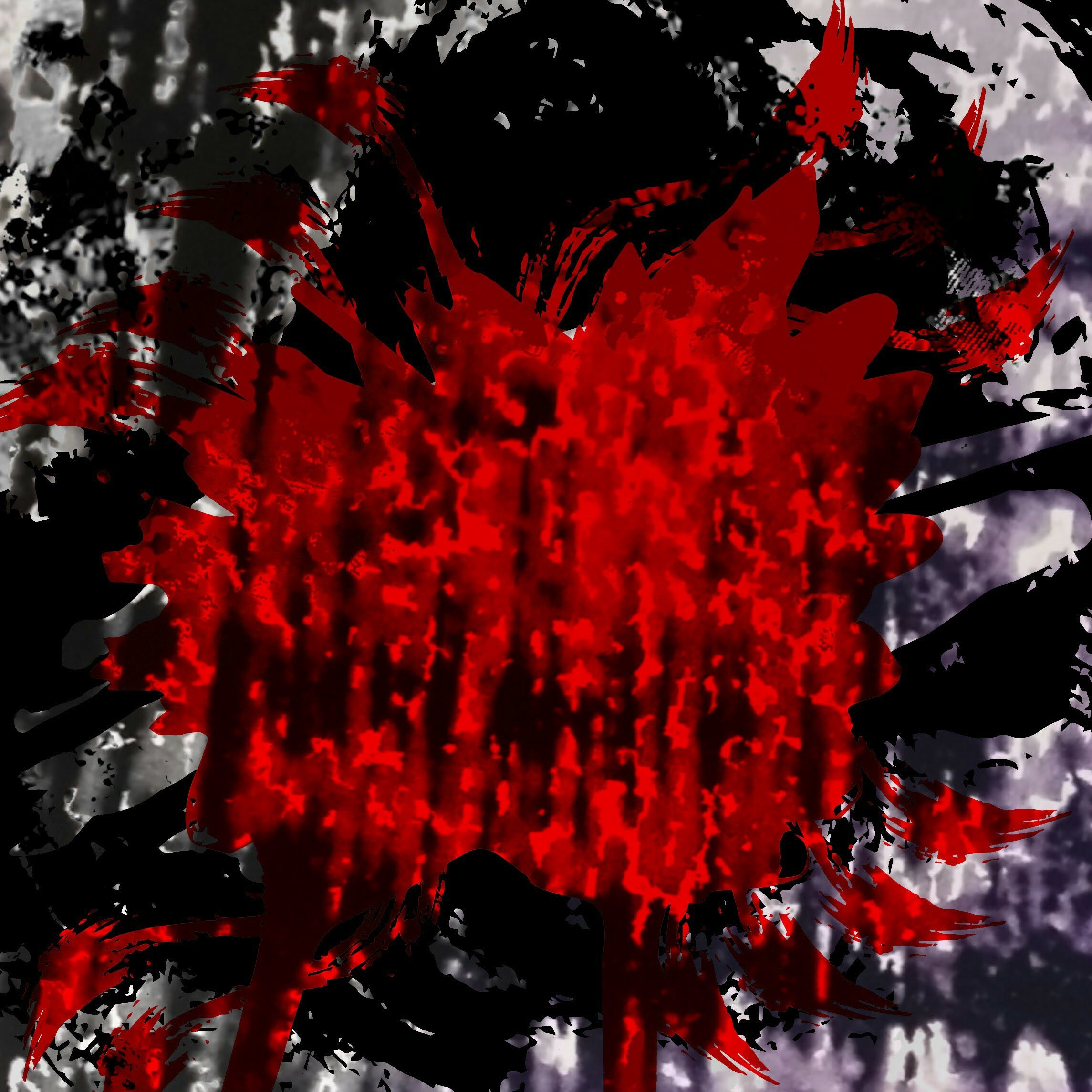
Then it became something I studied.
Something I experimented with.
Something I wanted to improve.
Later, it became part of my business.
Photography.
Graphic design.
Digital products.
Print-on-demand.
Apps.
Writing.
And now, at 30-something, I’m realizing that art is becoming something else again.
A reminder that I’m more than my responsibilities.
More than my job.
More than my worries.
More than how productive I’ve been.
Art helps me reconnect with the imaginative part of myself that adulthood sometimes tries to bury beneath schedules, expectations, and stress.
Some days, art helps me process emotions.
Other days, it helps me relax.
Sometimes it challenges me.
Sometimes it frustrates me.
And sometimes it makes me laugh because I created something completely ridiculous.
The meaning changes.
And that’s okay.
Because I’m changing, too.
Maybe our relationship with art is supposed to grow with us.
So, What Does Art Mean to You?
Maybe this is the question I really wanted to ask.
Not whether you’re an artist.
Not whether you know how to draw.
Not whether you’ve studied art.
Not whether your work is beautiful, realistic, or technically impressive.
But what art actually means to you.
Does it make you feel something?
Does it remind you of someone?
Does it help you process emotions?
Does it give your anxious mind something else to focus on?
Does it make you laugh?
Does it help you feel less alone?
Does it challenge the way you see the world?
Does it bring back memories?
Or does it simply make you happy?
Maybe you find art in a museum.
Maybe you find it in photography.
Maybe you find it in music.
Writing.
Crafting.
Gardening.
Digital design.
Coloring books.
Or the little doodles you make when you’re bored.
Maybe you don’t create art yourself, but you love the way someone else’s work makes you feel.
That’s meaningful, too.
Because you don’t have to be the creator to experience the power of creativity.
And you don’t have to interpret something the same way another person does.
Art is subjective. Its meaning isn’t always found in the object itself, but in the connection we have with it.
Find Your Own Meaning of the Word Art
I think we spend too much time trying to decide what art is supposed to be.
Beautiful.
Professional.
Original.
Profitable.
Impressive.
Worth displaying.
Worth buying.
Worth sharing.
But maybe we forget the most important part.
What does it mean to you?
For me, art has been many things.
A voice when I couldn’t find the words.
A way to express emotions I didn’t understand.
A creative escape.
A source of comfort.
A little bit of joy.
A career interest.
A business.
And sometimes just something silly that makes me smile after a hard day.
I don’t think I could give art one definition even if I tried.
Because the meaning keeps changing with me.
And maybe that’s exactly why I love it.
I don’t need everyone to understand my artwork.
I don’t need everyone to connect with the things I create.
And I don’t need to prove that every creative choice has some profound meaning.
Sometimes I create because I have something to say.
Sometimes because I need to feel something.
Sometimes because I need a distraction.
And sometimes because I simply want to create.
Maybe art isn’t about what the world tells us it should mean. Maybe it’s about discovering what it means to us.
So whether you’re painting a masterpiece, writing a poem, designing something digitally, taking photographs, or coloring a silly little picture after work, I hope you give yourself permission to enjoy it.
Without comparison.
Without pressure.
Without needing to turn it into something productive.
Find your own meaning of the word art.
Let it be messy.
Let it be emotional.
Let it be imperfect.
Let it be playful.
Let it change as you change.
And most importantly, let it be yours.
Because sometimes art doesn’t need to change the world.
Sometimes it just needs to change how we feel for a little while.
And maybe that’s more than enough.
With love,
Abby ♡
Still creating. Still experimenting. Still finding new meanings in art. Still doing my best-ish.
Let’s talk: When you hear the word art, what’s the first thing you think of?
Is it something beautiful? Something emotional? Something healing? Or simply something that makes you happy?
I’m genuinely curious how different people define art and what creativity means in their lives.
You can explore more of my creative journey, artwork, and reflections at Abby Juli Journal.
Discover more from 3AM and Still Figuring it Out
Subscribe to get the latest posts sent to your email.